
Preparation before Traveling to Bangladesh
Preparation Before Traveling to Bangladesh: Things You Should Know Before You Go
Bangladesh is not the kind of country where you need to prepare for every little detail before arriving. In fact, some of the best experiences here happen when you leave a little room for the unexpected.
But Bangladesh does have its own rhythm. The traffic can be surprisingly slow, the weather can change quickly, local markets can be wonderfully chaotic, and a journey that looks short on Google Maps may take much longer than expected. Knowing these things beforehand can make your trip much more comfortable.
If this is your first trip to Bangladesh, here are some practical things worth knowing before you arrive.
1. Give Dhaka More Time Than You Think
The first thing many visitors discover is that Dhaka traffic is a serious part of the travel experience.
A journey of 8 or 10 kilometres can sometimes take an hour or considerably more, particularly during busy periods. This matters when planning airport transfers, day tours, train journeys or meetings.
Do not build your Dhaka itinerary around the assumption that you can quickly move from one attraction to another.
If you have a flight, train or fixed-time activity, leave plenty of extra time. For sightseeing, it is usually better to visit fewer places properly rather than spend most of the day sitting in traffic.
This is one reason a good local guide can be particularly useful in Dhaka. Someone who knows the city can often adjust the day's plan according to traffic and local conditions.
2. Bangladesh Is Hot, Humid and Sometimes Very Wet
The weather is one of the biggest things to consider when preparing for Bangladesh.
Even when the temperature does not look extremely high, the humidity can make it feel much warmer. Walking around Dhaka, exploring a market or visiting archaeological sites in the open air can become tiring quickly.
The monsoon brings another consideration. Rain can be heavy, and roads in some places can become slow or difficult to travel through.
Light, breathable clothing is therefore much more useful than heavy travel clothes. A small umbrella can also be surprisingly valuable.
If you are visiting during the hotter months, plan outdoor sightseeing for the morning where possible and leave some time to rest during the middle of the day.
3. Don't Underestimate the Importance of Comfortable Shoes
Bangladesh is a country you often experience on foot, even when you are not planning a walking tour.
You may walk through narrow lanes in Old Dhaka, local markets, village paths, archaeological sites, tea gardens or riverfront areas. Some surfaces can be uneven, muddy or wet depending on the season.
Bring a pair of shoes that you are genuinely comfortable wearing for several hours.
For rural areas and the Sundarbans, practical footwear is more important than looking stylish.
4. Pack for Modesty, Not Just Heat
You will see plenty of different clothing styles in Bangladesh, particularly in Dhaka. But outside the more modern parts of the cities, modest clothing is generally more comfortable and appropriate.
You do not need to dress formally. Lightweight trousers, loose shirts, long skirts and breathable dresses work well.
If you plan to visit mosques, temples or other religious places, clothing that covers the shoulders and knees is a good idea.
For women, carrying a lightweight scarf can be useful. It takes almost no space and can be handy when visiting religious sites or more conservative areas.
5. Carry Some Bangladeshi Taka
Bangladesh is increasingly convenient for card and digital payments, particularly in hotels, established restaurants and larger businesses. But cash is still important, especially outside the main cities.
A small restaurant, roadside tea stall, local market, rickshaw or village shop may not accept international cards.
You do not need to carry a large amount of cash at once. Just keep enough Bangladeshi Taka for smaller expenses and replenish it when necessary.
It is also useful to keep smaller notes. A large banknote is not always convenient when buying something inexpensive from a small shop or street vendor.
6. Don't Expect Every Journey to Follow the Map
Distances in Bangladesh can be misleading.
A destination may look close on a map, but traffic, road conditions, ferries, local transport and stops along the way can make the journey much longer.
This is particularly important if you are planning trips outside Dhaka.
If your itinerary includes places such as Sreemangal, Sylhet, Rajshahi, Bogura, Cox's Bazar or the Sundarbans, look at the actual travel time rather than simply the distance.
And if you are traveling by road, avoid planning another major activity immediately after your expected arrival. Give yourself some breathing room.
7. Think Carefully About What You Want to See in Dhaka
Dhaka can be overwhelming if you approach it like a conventional sightseeing city.
There are famous landmarks, of course, but much of the city's character is found in its streets, markets, riverfronts, workshops and neighbourhoods.
Old Dhaka, for example, is not simply a collection of historical buildings. It is a living part of the city, with narrow streets, food shops, rickshaws, small businesses and centuries of history happening alongside everyday life.
If you enjoy photography or local culture, allow time for places such as markets, river terminals and neighbourhood streets rather than filling the day only with monuments.
8. Be Ready for Crowds
Bangladesh is densely populated, and many places can feel very busy.
Markets, railway stations, ferry terminals, Old Dhaka and popular attractions can become crowded, particularly during holidays and weekends.
This is not necessarily something to avoid. For many visitors, the crowds are part of experiencing everyday Bangladesh.
But keep your phone, wallet and camera secure in crowded places, and be patient when moving through busy areas.
If you are taking photographs, be aware that people may naturally look toward your camera. A smile and a quick gesture asking permission can make the situation much more comfortable.
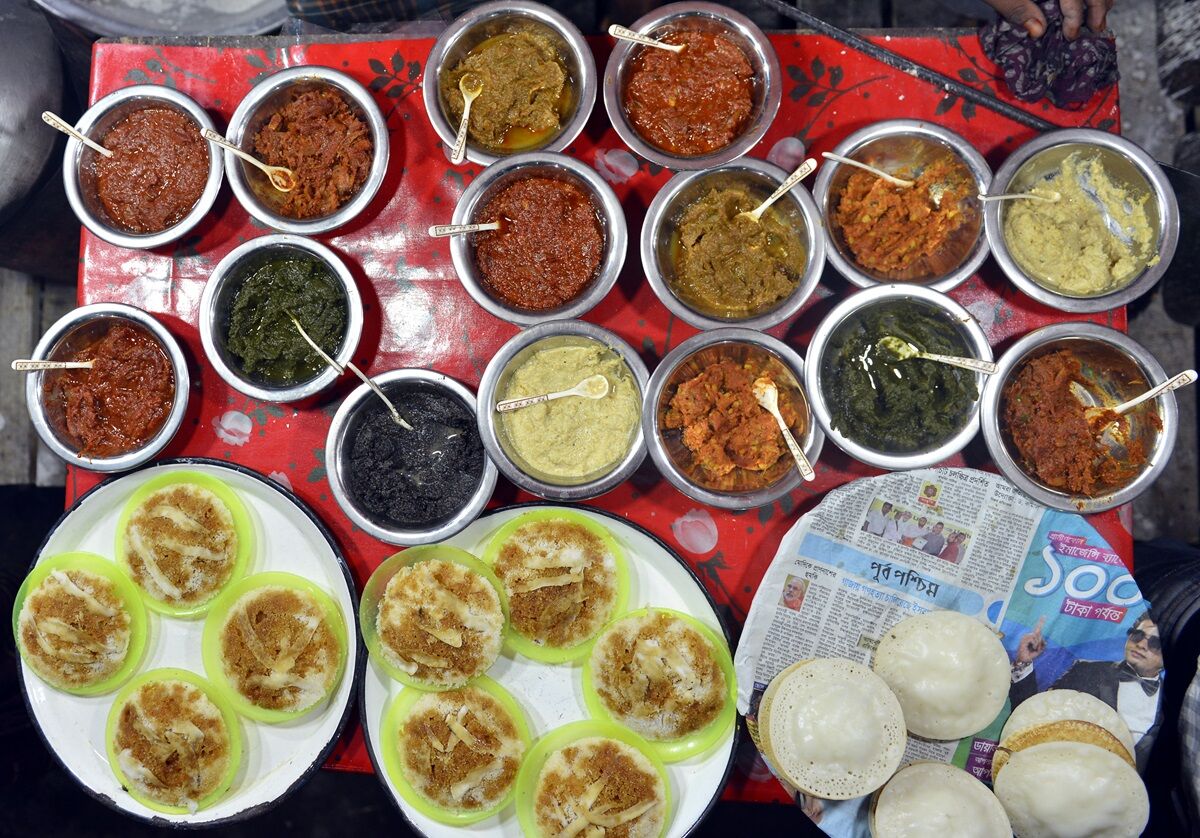
9. Food Is Part of the Journey
If you come to Bangladesh expecting to eat only in hotels and tourist restaurants, you will miss a big part of the experience.
Rice, fish, dal, vegetables, bhorta, biryani, paratha, sweets and countless regional dishes are part of everyday life here.
You do not have to eat extremely spicy food. Tell your guide or restaurant staff if you prefer mild food.
At the same time, give yourself a little time to adjust to the local food. If you normally have a sensitive stomach, it is sensible to start with freshly cooked meals and gradually explore more adventurous options.
And do not underestimate the humble cup of Bangladeshi tea. Tea stalls are everywhere, and stopping for tea is often as much a social experience as it is a drink.
10. Bottled or Safe Drinking Water Is the Easy Choice
For most foreign visitors, drinking bottled, filtered or otherwise treated water is the simplest approach.
You can buy bottled water almost everywhere in cities and towns.
If you are using bottled water, check that the seal is intact. When traveling in rural areas, ask your guide or accommodation about the local water supply.
You can also carry a reusable bottle and refill it from a reliable filtered-water source.
11. Bring Mosquito Protection
This is especially relevant if your trip includes rural areas, wetlands, forests or the Sundarbans.
Mosquitoes are part of life in Bangladesh, and a good repellent is worth packing.
Light long-sleeved clothing can also be useful in the evening and in greener areas.
You do not need to cover yourself from head to toe throughout the trip, but having repellent in your day bag is a simple precaution that can make evenings much more comfortable.
12. The Sundarbans Needs a Different Kind of Preparation
If you are visiting the Sundarbans, do not prepare for it like a normal city tour.
You will spend long periods on a boat, often surrounded by water, forest and very little urban infrastructure.
Bring:
Sun protection
Mosquito repellent
Comfortable clothes
A hat
Sunglasses
Binoculars if you enjoy wildlife
Camera equipment and spare batteries
Any personal medicines you may need
Do not expect to see a Royal Bengal Tiger simply because you have entered the forest. Wildlife sightings are unpredictable, and the experience is more about the forest, waterways, birds and atmosphere.
If you are sensitive to motion, consider taking appropriate precautions for boat travel.
13. Electricity and Charging Can Be Different From Home
Bangladesh uses 220V electricity, with plug types that may differ from what you use at home.
Hotels in major cities generally have charging facilities, but if you are traveling through rural areas or staying in simple accommodation, having your own universal adapter and power bank is useful.
This becomes even more important if you are carrying a camera, phone, laptop or other equipment.
For photographers, a spare battery or power bank is particularly useful on long days.
14. Internet Is Usually Easy in Cities, Less So in Remote Areas
Mobile internet is widely available in Bangladesh, and getting a local SIM or eSIM can make your trip much easier.
In Dhaka and other major cities, connectivity is generally convenient. In remote rural areas, forests and parts of the Sundarbans, coverage can be less reliable.
Do not depend entirely on mobile internet.
Save your hotel details, important addresses, booking confirmations and contact numbers on your phone before leaving for the day.
An offline map can also be very useful.
15. Expect Friendly Curiosity
Foreign visitors can attract attention in Bangladesh, particularly outside the main tourist areas.
People may want to know where you are from, what you think of Bangladesh or whether they can take a photograph with you.
Most of the time, this comes from simple curiosity and friendliness.
If you are comfortable, enjoy the interaction. If you would rather not be photographed or approached, a polite smile and a clear "no, thank you" is usually enough.
Children may also be curious when they see cameras. Ask before taking their photographs rather than photographing them without permission.
16. Don't Rush Through Rural Bangladesh
One of the biggest mistakes you can make is trying to see too much of the country in a short time.
Bangladesh is not only about Dhaka, Cox's Bazar and the Sundarbans. Some of the most interesting experiences can happen in places where there are few conventional tourist attractions.
A village market, a boat ride, a tea garden, a farmer working in a field or a family preparing food can tell you a lot about the country.
If your interests include culture, photography or local life, give yourself time to stop and observe.
You will often remember these moments more than another monument on a checklist.
17. Keep Your Expectations Flexible
Bangladesh does not always work according to a perfectly fixed schedule.
A road may be slower than expected. A ferry may take time. A local event may create unexpected traffic. Heavy rain may change a plan.
Instead of becoming frustrated when something takes longer, build some flexibility into your itinerary.
This is particularly important for multi-day tours.
A good Bangladesh itinerary should have a little breathing space. It gives your guide room to adjust the plan and gives you the chance to enjoy places rather than constantly watching the clock.
18. A Local Guide Can Make a Big Difference
You can certainly travel independently in Bangladesh. But for a first visit, a knowledgeable local guide can help you understand things that are difficult to discover on your own.
A good guide is not simply someone who takes you from one attraction to another.
They can explain local customs, help with communication, introduce you to local food, suggest the right time to visit busy places, adjust plans around traffic and help you understand what you are seeing.
This can be particularly valuable in places such as Old Dhaka, rural villages, local markets and the Sundarbans.
19. Learn to Slow Down
Perhaps the most useful preparation is mental rather than practical.
Bangladesh can be noisy, busy, crowded and unpredictable. But it can also be incredibly warm, lively and welcoming.
You may sit beside a roadside tea stall longer than planned. A conversation with a local person may delay your schedule. A village market may turn out to be much more interesting than the attraction you were rushing toward.
Let some of that happen.
You do not need to understand everything immediately. Take your time, observe, ask questions and allow Bangladesh to reveal itself gradually.
A Simple Bangladesh Pre-Travel Checklist
Before leaving home, make sure you have:
Passport and the required visa
Some access to Bangladeshi Taka
Comfortable, lightweight clothing
A scarf or modest clothing for religious sites
Comfortable walking shoes
Mosquito repellent
Sunscreen and a hat
Personal medicines
Universal travel adapter
Power bank
Local SIM/eSIM or roaming
Offline maps
Hotel and tour contact details
Copies of important documents
One Last Thing Before You Come
Do not arrive in Bangladesh expecting everything to work exactly as it does at home.
That is not a warning. It is part of the experience.
Bangladesh has its own rhythm. Roads are busy, cities are energetic, rural journeys can take time, and everyday life happens very visibly around you. Once you stop trying to make everything fit into a familiar travel routine, the country becomes much easier to appreciate.
Come prepared for the heat, traffic, crowds and occasional unpredictability. But also come with enough curiosity to look beyond the obvious attractions.
That is where Bangladesh becomes really interesting.
Admin
Travel enthusiast at Footprint Tours BD. Passionate about showcasing the beauty and culture of Bangladesh.
View all postsEnjoyed this article?
Get more travel guides delivered to your inbox.